
Hormonal Therapy in Dehradun
Hormonal Therapy in Dehradun
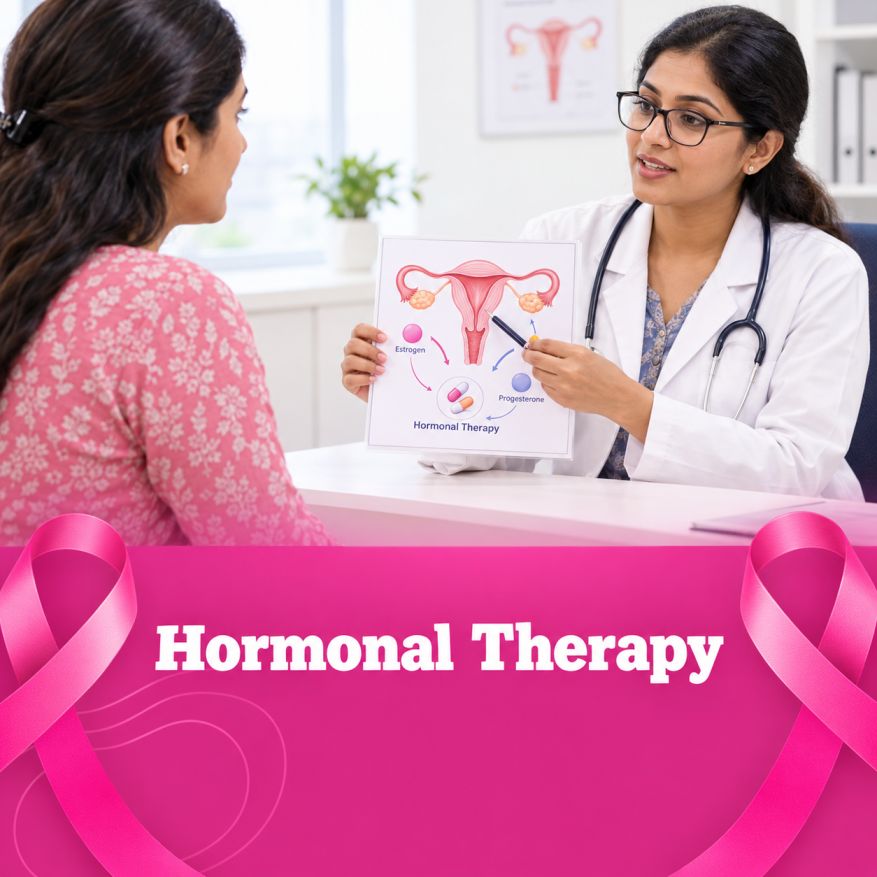
Hormonal therapy is a type of cancer treatment that works by blocking or altering hormones that help certain cancers grow. Some gynecologic cancers, particularly endometrial cancer, are influenced by hormones such as estrogen and progesterone.
Hormonal therapy helps slow or stop the growth of hormone-sensitive cancer cells. It is often used in patients with early-stage endometrial cancer, recurrent cancer, or in cases where surgery may not be immediately required.
When May Hormonal Therapy Be Recommended?
Selected Endometrial Cancers
Certain low-grade, hormone-responsive endometrial cancers may be managed with hormonal medicines in carefully selected cases.
Recurrent or advanced disease
Hormonal treatment may be an option for some patients whose cancer has returned or progressed, depending on its characteristics.
Fertility-preserving treatment
In selected patients with early, low-grade endometrial cancer, hormonal treatment may be considered when preserving fertility is an important goal. This requires specialist assessment and close follow-up.
Selected Uterine or Ovarian Tumours
Minimally invasive surgical techniques may be used for selected cervical cancer cases.
Possible Side Effects of Hormonal Therapy
Why Is Individualised Treatment Important?

Frequently Asked Questions About Hormonal Therapy
It may be used for selected gynaecological cancers, including certain types of endometrial cancer and specific hormone-sensitive tumours. Its suitability depends on the exact diagnosis.
Possible side effects include hot flashes, night sweats, weight changes, mood changes, joint discomfort and other medication-specific effects. These vary from person to person.
The duration depends on the cancer type, treatment response, medicine prescribed and the patient's overall condition. The treating specialist determines the schedule.
You can consult Dr. Yamini Kansal in Dehradun for an evaluation of gynaecological cancer and discussion of suitable treatment options. Contact the clinic to arrange an appointment.
Yes, it may be considered for selected cases, such as certain low-grade endometrial cancers. The treatment decision depends on the stage, grade, pathology and the patient's treatment goals.