
HPV Testing & Vaccination in Dehradun
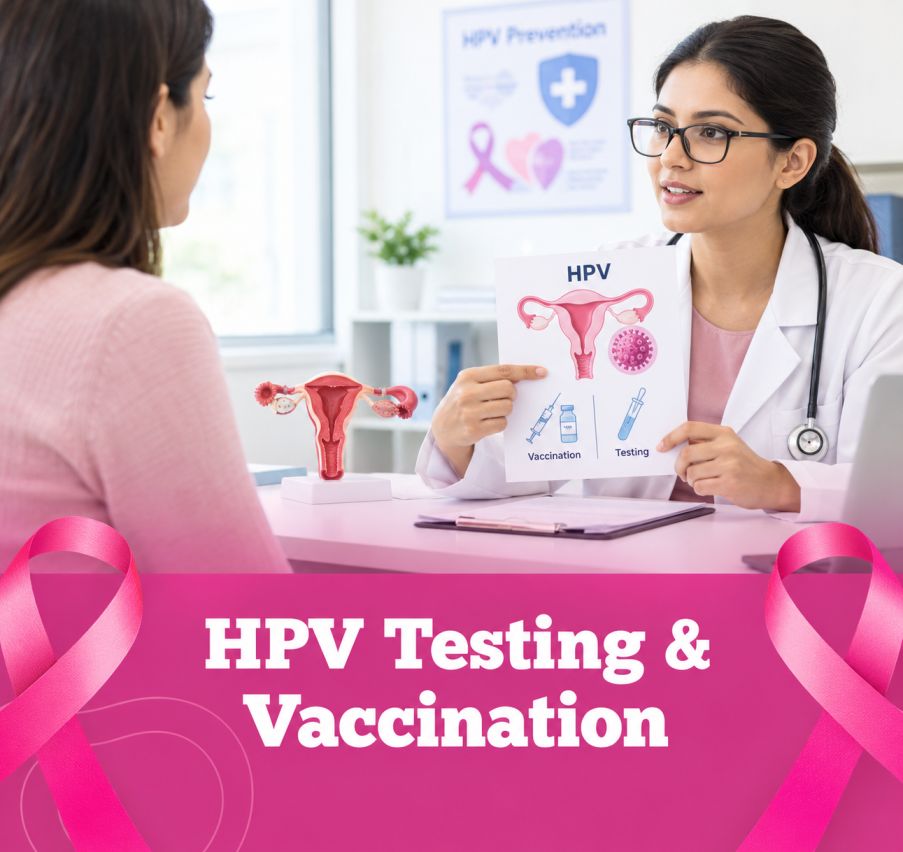
HPV Testing & Vaccination in Dehradun
Human Papillomavirus (HPV) is a common viral infection that spreads through skin-to-skin contact, particularly during sexual activity. Certain types of HPV can cause abnormal cervical cell changes that may lead to cervical cancer if not detected and treated early.
HPV infection is one of the most significant risk factors for cervical cancer, which is why regular screening and preventive vaccination are essential for women’s health.
Early detection through HPV testing and protection through vaccination play an important role in preventing cervical cancer.
How the HPV Testing is Performed
Medical Assessment
The healthcare professional reviews the patient's age, medical history, previous vaccinations, and suitability for vaccination.
Vaccine Administration
The HPV vaccine is injected into the muscle of the upper arm.
Post-Vaccination Observation
The patient may be asked to remain under observation briefly to monitor for dizziness or immediate reactions.
Follow-Up Doses:
A The number and timing of doses depend on the patient's age, immune status, vaccine type, and applicable recommendations.
Benefits of HPV Vaccination
Recovery After HPV Vaccination

HPV Testing & Vaccination – Frequently Asked Questions
Find answers to common questions about adjuvant chemotherapy for gynecologic cancers, including its purpose, treatment process, and benefits.
HPV vaccination helps protect against specific HPV types associated with cervical cancer and certain other cancers. It provides the greatest benefit when administered before exposure to the virus.
HPV vaccination significantly reduces the risk of cervical cancer caused by the HPV types covered by the vaccine. However, it does not prevent every case, so recommended cervical cancer screening remains important.
Yes. HPV infections commonly occur without noticeable symptoms. Certain types may persist and cause abnormal cervical cell changes, which is why appropriate screening is important.
SYes. Vaccinated individuals should continue cervical cancer screening according to the recommended schedule because HPV vaccines do not protect against every cancer-causing HPV type.
You can consult Dr. Yamini Kansal, a gynaecological oncologist in Dehradun, to discuss cervical cancer prevention, HPV testing, vaccination guidance, and appropriate follow-up based on your medical history.